
Foxes can be a rare sight in suburban and rural areas, but that doesn’t make them uncommon. These crafty creatures come out at night to avoid spending time around humans - but because they tend to hide, people often wonder: Where do foxes live?
Foxes are rarely dangerous, but they can be distressing, troublesome, and destructive when they’re on your property. By understanding where these opportunists live and what they want, you can learn how to manage them as your neighbors. Here’s what you should know about the foxes near you.
What Are Foxes?
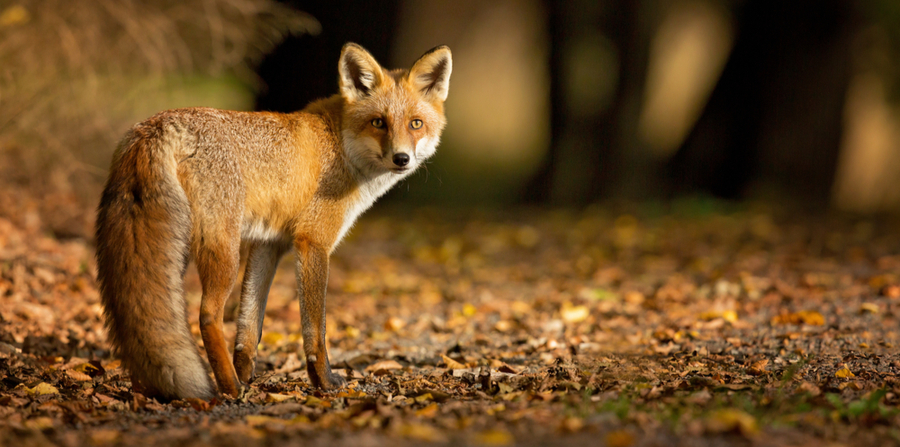
Foxes are medium-sized, nocturnal, omnivorous mammals in the Canidae family along with dogs, wolves, and coyotes. There are twelve species of fox in the genus Vulpes, along with another 25 species in the broader fox classification. The most common and recognizable fox in North America is the red fox (vulpes vulpes).Red foxes are 18 to 34 inches long with 12 to 22-inch-long, bushy tails. They weigh about 7 to 15 pounds. Adult red foxes are bigger than most house cats and smaller than most dogs. They have very distinctive orange-reddish brown fur, white fur on their underbellies and snouts, and black-tipped ears. Their tails have white tips and a black undercoat. Their paws and legs are also black.
Where Do Red Foxes Live?
There’s no one fox habitat, because foxes are highly adaptable mammals that can live in a wide range of rural, suburban, and urban environments. Different species inhabit every continent except Antarctica. Red foxes, in particular, are the most widely distributed carnivore in the world. They’re found throughout most of the Northern Hemisphere, including North America, Europe, Asia, and Australia, as well as parts of North Africa.
Red foxes are solitary scavengers and hunters that adapt very well to living near humans. They often live at the edges of forests or brush and sneak closer to neighborhoods at night to steal food.
Do Foxes Live in Dens?
Red foxes dig small dens, or burrows, with several exits to live in and rear their young. These underground fox habitats are typically located near water, often in areas with natural cover like brush, trees, or other undergrowth.
Do Foxes Live in Packs?
In the wild, foxes aren’t social animals. They’re solitary hunters and foragers, though they often stick with their family - including their partner and “kits,” or baby foxes - during mating and rearing seasons. Fox males and females mate for life and form strong bonds with their partners. Breeding season for foxes tends to occur in the winter, from December to February, and their kits are born in the spring.
Do Foxes Hibernate?
No, foxes don’t hibernate. Their thick coats and tails allow them to stay active through the winter months. Plus, their bodies naturally increase fat stores to protect them against lower food availability.
What Do Foxes Eat?
Like most wildlife, foxes are opportunistic. They’re looking for easy access to food, shelter, and water. Red foxes can adapt to virtually any environment successfully, largely because of their omnivorous diet. They'll eat just about anything they can get their paws on. They often catch and eat small animals, including lizards, voles, bugs, rodents, rabbits, or even worms. When they can’t find meat, they’ll also forage for berries, nuts, seeds, and even leaves.
Foxes often approach homes at night to steal from the garbage. Unsecured garbage is easy to find, abundant, and consistent, making it a perfect target for foxes. Many return to food sources they know they can access habitually, especially as other food sources become scarce. Foxes want to live somewhere with plenty of places to hide and plenty of food to steal easily.
Are Foxes Dangerous?
Not usually. Foxes are naturally afraid of people and will almost never behave aggressively. If you encounter a fox, it will likely flee before you can get close. If a fox doesn’t seem afraid of you, it may be because a person has fed it. You can scare foxes away by whistling, making loud noises, or throwing things toward them, but be careful not to hit them! You are much more likely to be attacked by a dog than by a fox.
There are several circumstances when foxes could be considered dangerous pests, however. Foxes tend to be a problem for farmers because they enter hen houses to eat the chickens. Although fox attacks on pets are rare, they could potentially prey on small cats. They may be more likely to behave aggressively in defense of their den or offspring.
Finally, although it’s very rare, a fox could carry and transmit rabies. You should never approach a fox that is behaving strangely or appears rabid or sick.
Are Foxes Territorial?
Yes. Individual foxes and fox families tend to have their own “space,” which varies depending on the area they settle in. They’ll mark their territory and defend it from other foxes to protect their food and shelter.
How Can You Keep Foxes Away?
Wild foxes come near your home or business looking for food that’s easy to steal. If they can’t find food easily, they’ll move on. First, keep all of your trash cans sealed whenever you aren’t using them. Use bungee cords to tie down your dumpster, bin, and can lids. Before throwing garbage in your outdoor bin, make sure you seal it in a plastic bag. Never leave unsealed garbage outside overnight. Clean out your cans, bins, and dumpsters once every few months.
Next, look for places where foxes could hide or sneak around. Foxes are very shy. The more hidden they feel, the more confident they’ll be moving toward your home. Remove brush, tall grass, overgrown shrubs, and other natural sources of cover. Dig underground fencing beneath your porch and deck to prevent them from burrowing under it for cover. Lights, sprinklers, noisemakers, and other deterrents will also help keep foxes from entering your yard.
Humane Fox Control Solutions
Foxes aren’t dangerous, but they’re never desirable, either. You should never try to domesticate, feed, or otherwise encourage a fox to come to your home. Like most wildlife, they have much more potential to be dangerous when they’re less afraid of humans.
If you have a fox problem at your home or business, call Varment Guard any time. We can safely, humanely, and effectively remove foxes from your property. Our experienced experts will determine what the fox is after and make sure they can’t get it again.
Next time you see the fox around your house, don’t panic! Just call Varment Guard.