

Blog Summary
Groundhogs (AKA woodchucks) are ground squirrels that burrow near food sources like gardens and farms, using fences and barriers as cover while they feed on flowers and vegetables. They also gnaw on old wood structures to keep their teeth in check. Removing easy food and shelter—and calling the professionals for humane trapping—keeps them from settling in.
Of all the wildlife that could cause problems to your property, groundhogs are among the strangest. They tear up your yard by digging burrows and holes—but why are they doing this? What makes groundhogs want to dig and dig and dig?
If you're looking to stop groundhogs from wreaking havoc on your yard, it's best to know what they're doing in your yard and why they're doing it. The experts at Varment Guard have compiled what you need to know about the groundhogs burrowing beneath your yard.
What are Groundhogs?
Groundhogs (Marmota monax), also known as woodchucks, are a species of large ground squirrels called marmots. Groundhogs are the largest marmots, measuring 17 to 24 inches long and weighing up to 13 pounds. They also have tails that measure up to an additional 6 inches long.
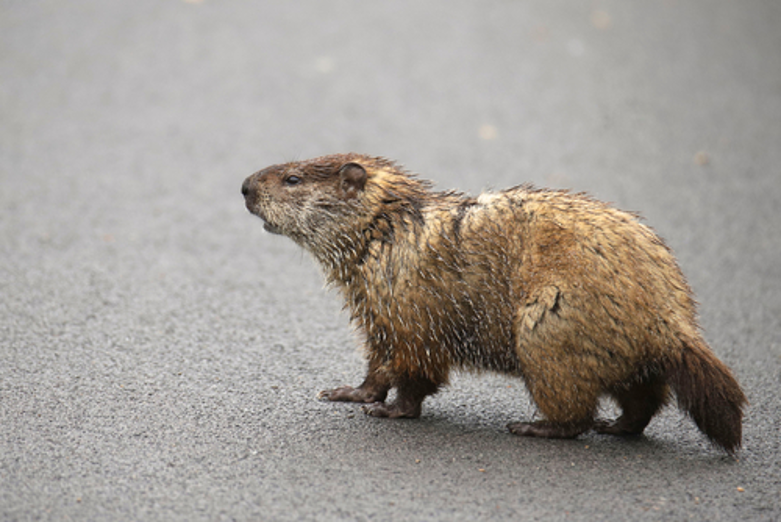
Groundhogs are plump with chunky bodies and are covered in tan, reddish-brown, or grey fur. Adult groundhogs have four prominent chisel-like incisors that frequently stick out of their mouths. This is what gives them an "overbite."
How & Why Groundhogs Dig Burrows
Groundhogs are most well-known for their digging (other than their ability to predict the weather, of course). Groundhogs dig by scooping dirt with their specialized, shovel-like claws. They're extremely good at digging; a single groundhog can move up to 700 pounds of dirt when burrowing.
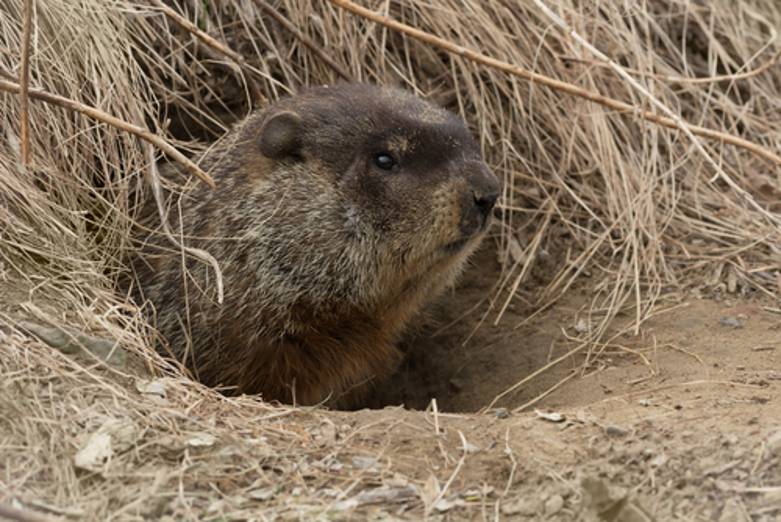
Groundhog burrows are large and elaborate, measuring up to 65 feet long and containing multiple chambers, exits, and levels. This is where groundhogs spend the majority of their lives! Unlike other marmots, groundhogs are solitary creatures, meaning they live alone in their burrows and only seek each other out to mate.
Groundhog Burrow Size: How Deep Do They Dig?
Groundhog burrows are more extensive than most homeowners realize. A single burrow system can stretch 20 to 65 feet underground, with main entrances measuring 10 to 12 inches wide and plunge holes reaching depths of 2 to 6 feet. All that digging displaces a substantial amount of soil, which is why an active burrow can undermine foundations, patios, and load-bearing ground before anyone spots it above the surface.
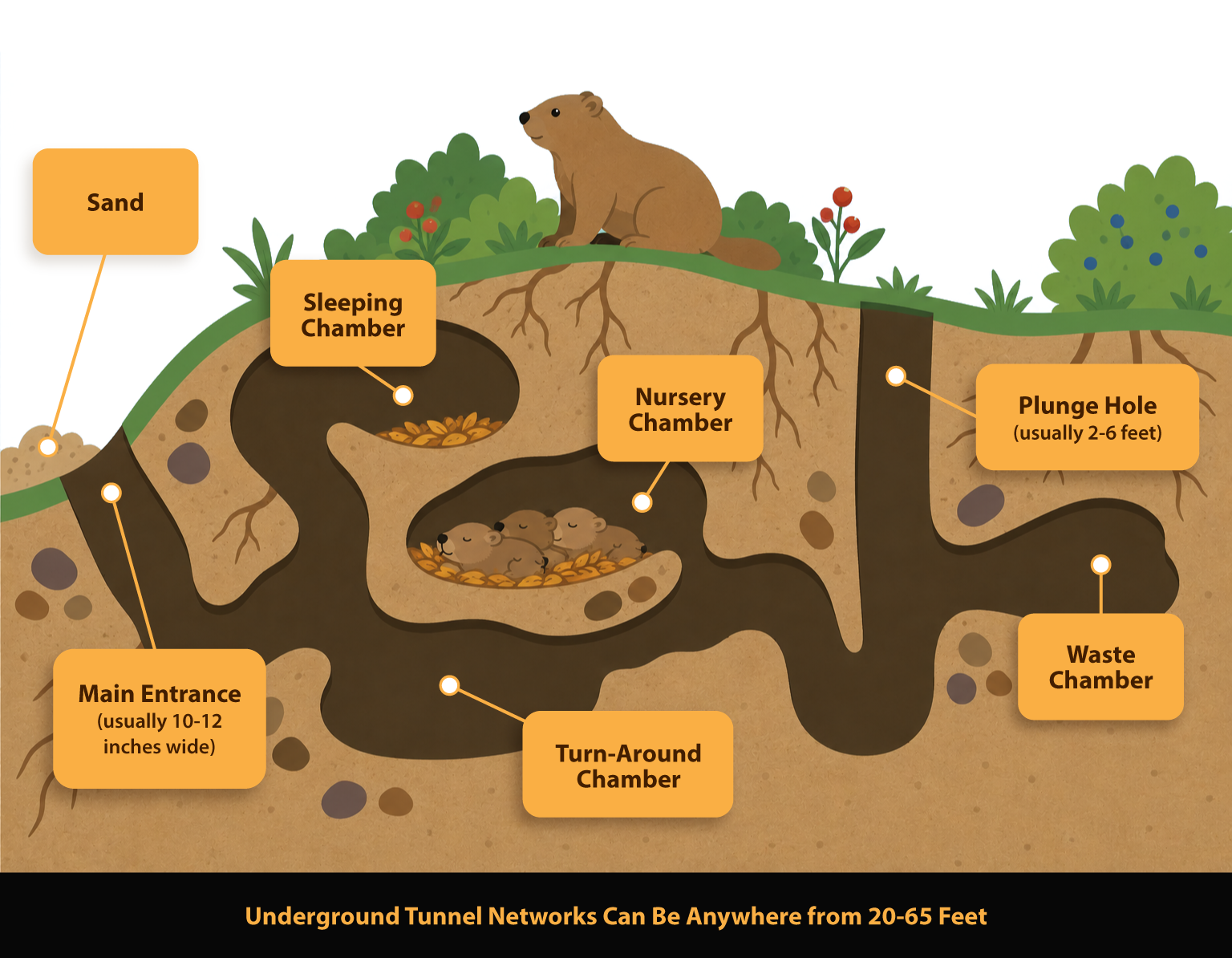
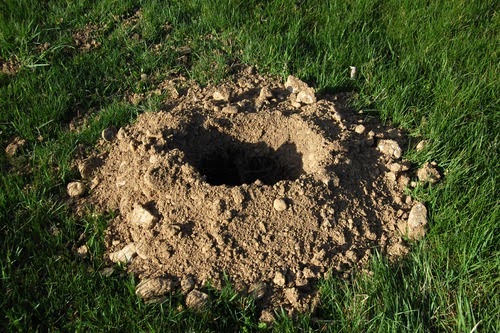
Around a groundhog's main entrance, you'll typically find a mound of excavated soil or sand piled up from all that digging.
Why Do I Have a Groundhog Problem in My Yard?
If you have groundhogs burrowing in or near your yard, it means they're getting what they want there. A few common reasons groundhogs settle in:
- Food sources nearby. Groundhogs tend to burrow near plentiful food sources, such as farms and gardens. They love to dig their way beneath fences and barriers so they can chow down on your flowers and vegetables. If you maintain a garden far from the perimeter of your home, groundhogs may exploit it for easy food. The more secluded and removed the garden, the better.
- Wooden structures for teeth maintenance. Groundhogs also require places to clean and sharpen their teeth. They usually use old, rotting, or damaged wooden structures to accomplish this, which is why they build burrow entrances near tree stumps or other isolated wooden structures.
- Cover and concealment. Because groundhogs like to stay hidden whenever they leave their burrow, they prefer to build their burrows in covered areas. So, the more cluttered your yard is, the more comfortable groundhogs will feel living there.
Groundhog Pest Control: How to Keep Them Away From Your Yard
If you have a groundhog problem in your yard, it's important to take precautions to keep them away. Otherwise, they'll nibble on your garden or dig burrows all over your yard. Here's how to keep groundhogs away from your yard and out of your garden:
- Look for burrow entrances in your yard. Groundhogs build multiple entrances out of their burrows so they can access different food sources easily. These entrances are usually in flat, well-drained soil near a food source (like a garden, for example).
- Use a shovel to fill in these burrows as you find them. This is done to check for activity.
- Next, figure out why the groundhog decided to surface here. Consider removing all vegetation and sources of cover from the area around the entrance.
- Consider building a chicken wire or welded fence around your garden. To keep groundhogs out, extend the wire mesh out for about a foot beneath the ground in a curving L-shape. You could also extend the mesh on the ground around your garden to block emerging groundhogs.
- Finally, you should try to remove as much natural cover from your yard as possible. The more open the area, the harder it'll be for groundhogs to traverse it comfortably.
- Consider contacting a professional wildlife control company. If you're unable to get rid of your groundhog problem or you'd rather just have a professional wildlife control team take care of it, get in touch with Varment Guard! We can quickly and humanely get rid of your groundhog problem.
What To Do About Groundhogs: Call Varment Guard
Groundhogs just want to eat, sleep, and be left alone. But that doesn't mean they need to do that on your property. If you have a groundhog problem, get in touch with us right away. With our Varment Guardian program, we use exclusion and trapping techniques to prevent and remove groundhogs quickly, safely, and humanely.